Packing a Storage Unit 101: How to Pack a Storage Unit Right the First Time
Opening a storage unit should not feel like solving a puzzle you forgot how to complete. Yet, without a clear plan, that is exactly what happens. Boxes pile up, furniture gets wedged into corners, and suddenly even the simplest item becomes impossible to find. That is why learning how to pack a storage unit correctly from the beginning can make a lasting difference in both convenience and protection.
Before diving into the process, it helps to understand the local context. Residents in central Iowa often rely on flexible and accessible storage, especially with active lifestyles that include lake days at Saylorville or exploring trails near Adel. Choosing the right location plays a role, too, whether you are considering storage options in Adel, storage options in Norwalk, or storage options in Polk City. Once you have your space secured, the real success comes down to how you use it.
Why Packing Properly Changes Everything
Packing a storage unit might seem straightforward. However, the difference between a carefully packed unit and a rushed one becomes obvious over time. Not only does proper packing protect your belongings, but it also makes them easier to access later. For example, Iowa’s seasonal climate plays a significant role in storage outcomes. Summers can bring humidity, while winters introduce freezing temperatures. These fluctuations can impact materials like wood, fabric, and electronics if they are not packed thoughtfully. Because of this, taking a few extra steps during packing can prevent long-term damage and unnecessary stress.
At the same time, an organized unit supports everyday life. Instead of digging through layers of boxes before a weekend camping trip, you can simply walk in and grab what you need. That level of ease starts with a smart packing strategy.
Start with a Clear Strategy, Not Just Boxes
Before taping up your first box, take a moment to think through your plan. Although it may feel like an extra step, this preparation often saves hours of effort later on. Begin by sorting your belongings into categories. For instance, group together seasonal decorations, outdoor gear, furniture, and personal keepsakes. Once everything is categorized, it becomes easier to determine what should be easily accessible and what can remain stored long-term.
Next, visualize your storage unit layout. Consider where large items like couches, mattresses, or shelving units will go. By doing this early, you avoid the frustration of rearranging heavy items multiple times. Facilities located on Bradfield St in Adel or Madison St in Norwalk often offer various unit sizes, so having a rough layout in mind helps ensure you choose the most efficient option.
The Right Packing Materials Make a Noticeable Difference
Once your plan is in place, the next step is selecting packing materials that will hold up over time. While it might be tempting to reuse old boxes, this is one area where quality matters. Sturdy boxes provide reliable support, especially when stacking. Plastic bins, on the other hand, offer added protection against moisture and are ideal for long-term storage. Additionally, materials like packing paper and bubble wrap help cushion fragile items and prevent shifting.
For belongings that are more sensitive to temperature or humidity, it is worth exploring climate considerations further. This guide on climate-controlled storage FAQs explains how certain items benefit from a more stable environment, which can be especially helpful in Iowa’s changing seasons.
Packing Techniques That Actually Work
With your materials ready, it is time to focus on packing techniques that go beyond simply filling boxes. This is where small details can make a big difference. To begin with, always place heavier items at the bottom of each box and lighter items on top. This prevents crushing and keeps boxes stable when stacked. At the same time, fill any empty spaces with packing material to reduce movement during transport.
Another important step is disassembling large furniture whenever possible. Not only does this save space, but it also reduces strain on joints and connectors. For example, removing table legs or bed frames allows for more efficient stacking and minimizes potential damage. Equally important is labeling. Rather than writing general descriptions, be specific about what is inside each box and where it belongs. This simple habit can save significant time when you need to locate something quickly.
Organizing Your Unit for Long-Term Convenience
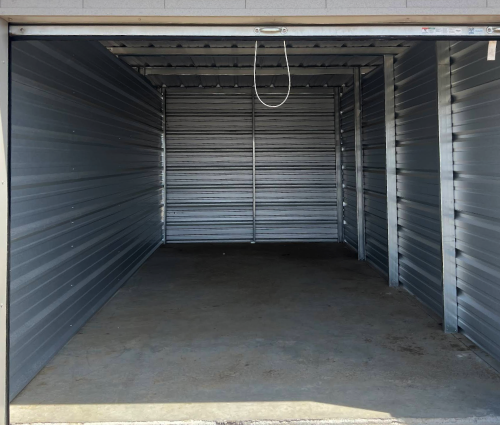
After everything is packed, the way you arrange your storage unit determines how easy it will be to use. Instead of stacking items randomly, take a structured approach. One of the most effective strategies is to create a walkway down the center of your unit. This allows you to reach items in the back without having to move everything in front. Although it may feel like you are sacrificing space, the accessibility it provides is well worth it.
Additionally, placing frequently used items near the front ensures they are always within reach. This is particularly useful for those who regularly rotate outdoor gear for trips to Big Creek State Park or Saylorville Lake. According to the Iowa Department of Natural Resources, these recreational areas attract visitors year-round, making convenient storage even more valuable. Finally, consider using shelving units. They help maximize vertical space while keeping boxes organized and easy to access. Over time, this setup makes your storage unit feel less like a packed box and more like a functional extension of your home.
Protecting Your Belongings from Iowa’s Climate
As you settle your items into place, it is important to think about how environmental factors may affect them. Iowa’s weather can shift dramatically throughout the year, which makes protective measures essential. For instance, wrapping furniture in breathable materials helps prevent moisture buildup. While plastic coverings might seem like a good idea, they can trap humidity and lead to damage over time. Similarly, elevating items off the ground using pallets adds an extra layer of protection.
If you are storing items like electronics, documents, or antiques, learning more about climate-controlled storage can be helpful. This resource on climate-controlled storage in Polk City provides additional insight into when this option makes sense.
Making the Most of Your Space Without Overdoing It
Although maximizing space is important, overpacking can create more problems than it solves. Instead, aim for a balanced approach that prioritizes both efficiency and accessibility. Stack boxes evenly and avoid creating unstable towers. Leaving small gaps between items allows for airflow, which can help reduce moisture-related issues. At the same time, using vertical space wisely ensures you are not wasting valuable room. Think of your storage unit as a system rather than a container. When everything has its place, it becomes easier to maintain order and find what you need without unnecessary effort.
Keeping Track of Everything with an Inventory
As time passes, it becomes surprisingly easy to forget what you have stored. That is why creating an inventory list is such a valuable step. By documenting what is in your unit and where it is located, you eliminate guesswork and save time. Digital tools can make this process even more convenient, allowing you to update your list whenever items are added or removed.
According to the Self Storage Association, maintaining an inventory is one of the most effective ways to stay organized and protect your belongings over the long term. While it may take a little effort up front, the benefits become clear the moment you need to find something quickly.
Common Mistakes That Can Undo Your Efforts
Even with a solid plan, certain mistakes can still cause issues. However, recognizing these pitfalls ahead of time makes them easy to avoid. One common mistake is failing to label boxes clearly, which leads to confusion later. Another is placing frequently used items at the back of the unit, making them difficult to access. Overloading boxes or stacking them unevenly can also result in damage.
Additionally, ignoring climate factors is a frequent oversight, particularly in areas like Iowa, where conditions change throughout the year. By staying mindful of these details, you can avoid unnecessary complications and keep your storage unit functioning smoothly.
A Smarter Way to Store for the Long Run
In the end, learning how to pack a storage unit the right way the first time is about creating a system that works for you. It is not just about fitting everything inside, but about maintaining order, protecting your belongings, and making future access simple. As you consider your options, locations such as storage options in Adel, storage options in Norwalk, and storage options in Polk City offer convenient solutions that align with the pace and lifestyle of central Iowa.
With the right approach, your storage unit becomes more than just a place to keep things. Instead, it becomes a well-organized space that supports your day-to-day life, whether you are preparing for seasonal changes or getting ready for your next outdoor adventure.